
Stop asking "are you optimistic about Syria". It’s irrelevant.
On the need to reframe the question and the framework.

I am still awed by how I can just hop a plane and fly to Damascus, especially given that I was convinced I’d never set foot there again in my lifetime. I’m used to the delay at customs because the system hasn’t been updated to remove my 2012 Assad-era status of “Journalist deny entry”, a result of my tendency to skirt the minders and government spies that loitered around our hotel on the rare occasion I was given an official visa in 2011, not to mention all the thereafter illegal crossings into the country. I love the random conversations with shop owners (I bought a fabulous sleeveless abaya), taxi drivers (who aren’t afraid to express their fears and frustrations), being able to wander around without some out of a comic book character trailing my every move.
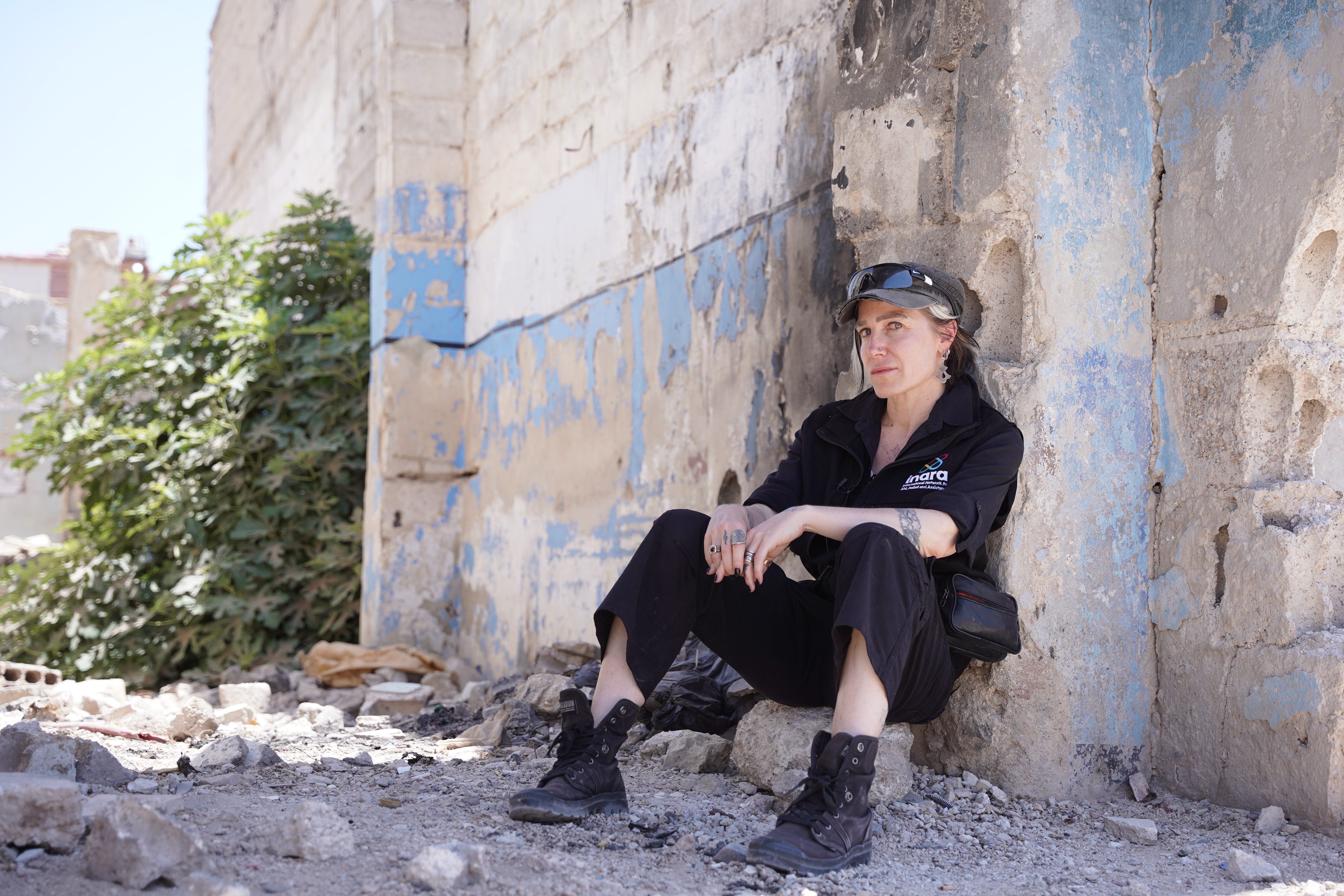
When I was in Damascus for a few days last week, I could feel the air was thicker, the euphoria of the fall of Assad not entirely gone, not by a stretch but settling into a “al 3alam ta3bana”. It directly translates to “the people are tired” but in Arabic it means so much more than that. It’s the sort of exhaustion that settles into your bones, drags you down, brings about a sort of lethargy. It’s the exhaustion of the soul, of the essence of life.
It’s hardly surprising given what the country and its people have been through not just over the last 15 years but more like the last 50 plus. I was invited to moderate a panel at a conference organize by the Syria Peace Initiative and there are a million and one things to discuss and share. But my starting point is the whole “are you optimistic about Syria”. This attitude that demands a yes or no, that is one of the first things that needs to shift when we talk about the prism through which we view Syria.
My response is always “that’s irrelevant”, much to the frustration and at times irritation of those asking the question. People tend to want a clean answer around which they can base their decision of if they should invest, support, donate etc etc. I find that it also lends itself to the wrong framework for action, which is what Syria needs right now. The better question to ask of oneself – be that a government, investor, donor is: what sort of a Syria do you want to see?
And if we can agree on the baseline of: we want a Syria that is stable, where its citizens can live with the rights so many died and sacrificed for then the framework shifts towards what role can you play to make that happen. How do we give Syria and Syrians the best fighting chance?
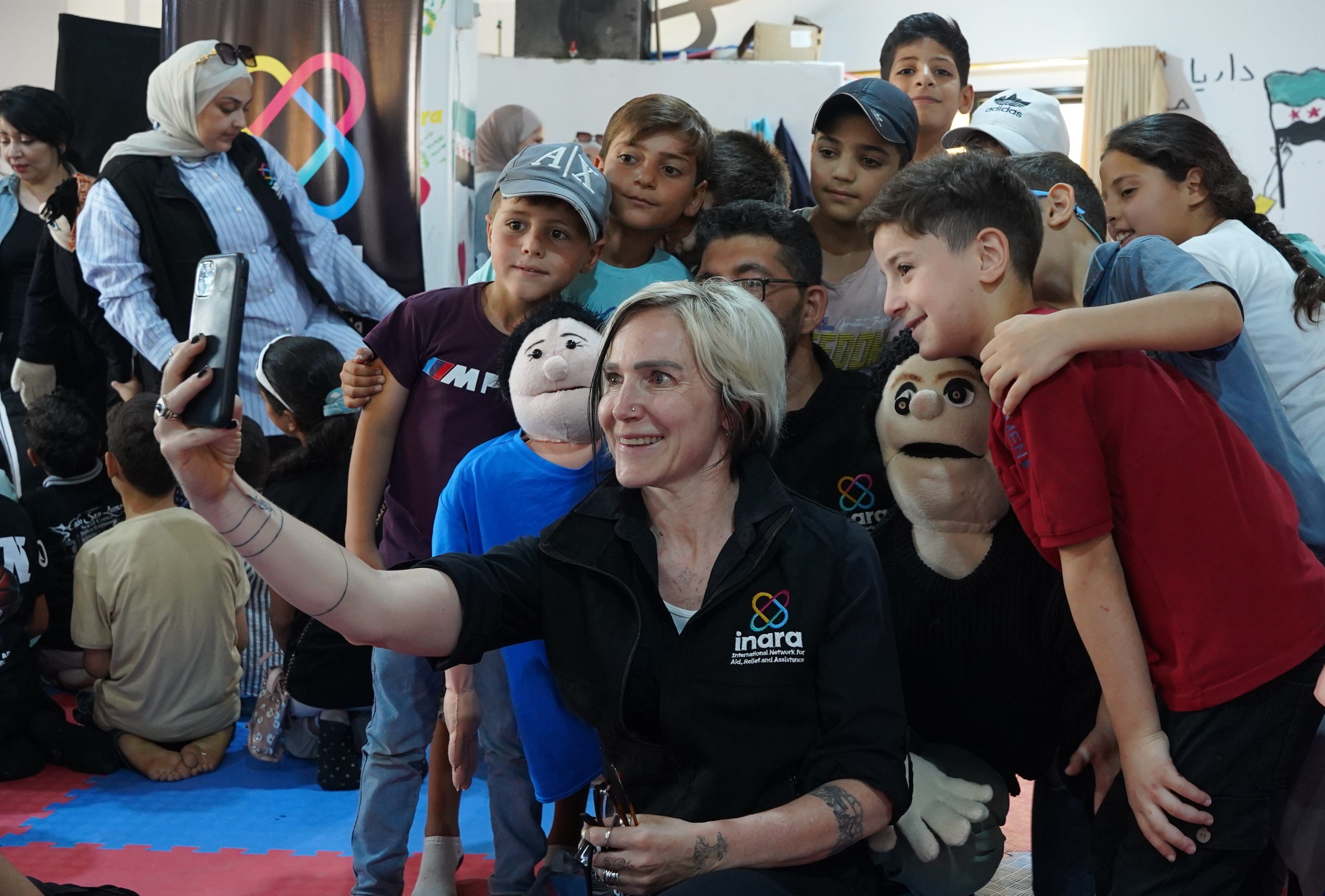
Very little of the money pledged to Syria has actually materialized, investors still find it “too risky”, humanitarian efforts, including those of my own charity INARA, remain grossly underfunded. Everyone is waiting for the ideal conditions which are literally impossible to accomplish without those same people/entities working to create those ideal conditions. It’s a ridiculous guaranteed to fail “chicken or the egg” scenario.
“Syria is the posterchild for the consequences of inaction.” Martin Griffiths, former Under-Secretary-General for Humanitarian Affairs and Emergency Relief Coordinator of the United Nations, who was on my panel said.
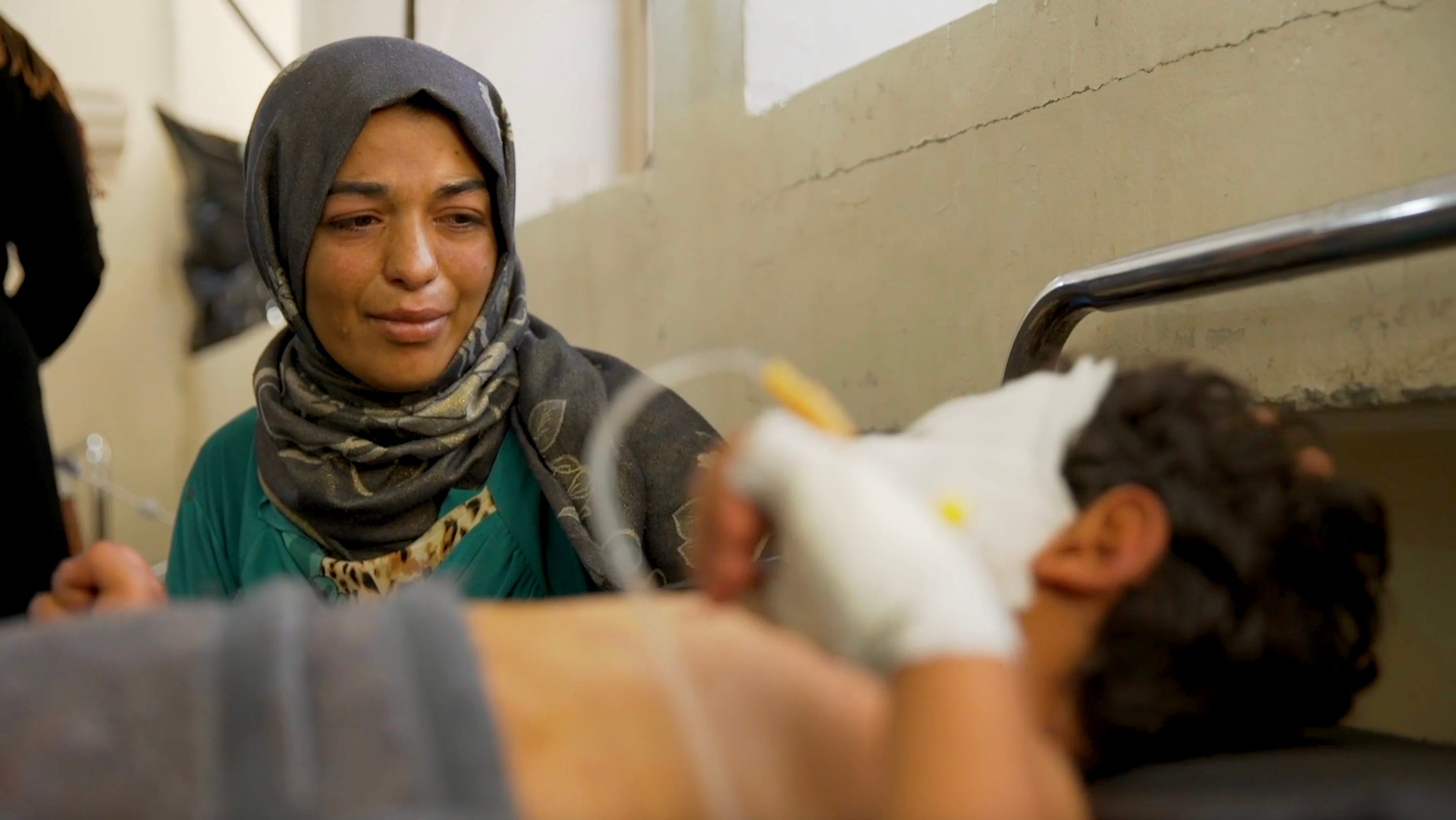
I struggled to concentrate on the conversation I was moderating in that moment. My mind rolodexing back to all the consequences of inaction in Syria that I witnessed over the years. The young media activists who would become so much more than sources on the ground, and the bonds built over long hours on Skype (yes it was Skype back then, we’re talking 2011/2012) before the majority would invariably go silent, killed or disappeared by the Assad regime. The early morning chats in safe houses I was smuggled to, as artillery fell around us and dark jokes that led to utterly inappropriate yet necessary for the survival of the soul laughter. The way that tents mushroomed into massive displacement camps, the tears of the mothers, the parent sifting through rubble for their dead children’s clothing just to have something to hug, the barely breathing bodies in makeshift clinics. The desperate questions I could not answer without causing the person more pain “Will America stop this now now?”, “How can the world let this happen to us?”, “Why doesn’t anyone care?” …
So world, what is it going to be this time around? Another round of paralytic inaction that results in the worst-case scenario? Or will you give Syria and Syrians a fighting chance this time?
Postscript:
There is a lot more to dissect when we talk about international support which I will get into in later pieces. How international support cannot and should not be conditional. How it’s not just about investment, but proper investment. How the Syrian people’s needs cannot be sidelined and “Syrian led” cannot just just be a phrase that is batted around. How support is not just financial but also supporting Syria’s sovereignty – ie pushing back against Israel’s land grab.
My friend says I shouldn’t use the word “rolodexing” or “mental rolodex” because no one knows what a rolodex is anymore. I still use it all the time.
Am going to start using rolodexing.
100%! So glad you’re on substack and writing more.